Updated October 2, 2026.
Resin and rosin are only one letter apart, but the difference matters when you are shopping concentrates. Add “live,” “cured,” “badder,” or “sugar,” and a menu can start to look like a list of unrelated products. Those words answer different questions: what the producer started with, how the extract was made, and what texture ended up in the jar.
Knowing which question a name answers helps you compare a Capital Dank deal without assuming that a higher price or a familiar strain name tells the whole story.
“Live” and “cured” describe the starting material
Cured resin generally starts with cannabis that has been dried and cured before extraction. Live resin starts with cannabis frozen shortly after harvest, before the usual drying and curing process. Fresh freezing is used to preserve compounds from the harvested plant, including volatile aroma compounds.
SunMed's producer guide to concentrates distinguishes cured and fresh-frozen inputs. That distinction does not make every live product better than every cured product. The starting crop, handling, extraction, and finished batch all matter. “Live” also does not mean the finished oil contains living plant material.
Resin and rosin describe different processes
Resin extracts commonly use a solvent such as butane or propane to separate desired compounds from the plant. The producer then processes the extract and removes the extraction solvent. This is specialized manufacturing, not a process to attempt at home.
Rosin is produced with heat and pressure applied to flower, sift, or hash. Live hash rosin typically starts with fresh-frozen cannabis that is processed into ice water hash; the collected and dried trichomes are then pressed. Puffco describes the ice-water and pressing stages in its resin-versus-rosin explanation.
“Solventless” refers to the extraction method, usually meaning no hydrocarbon or similar extraction solvent was used. It does not mean chemical-free: cannabinoids and terpenes are chemicals too. It also does not replace batch testing or establish that a product is risk-free.
Badder, sugar, and fresh press are texture clues
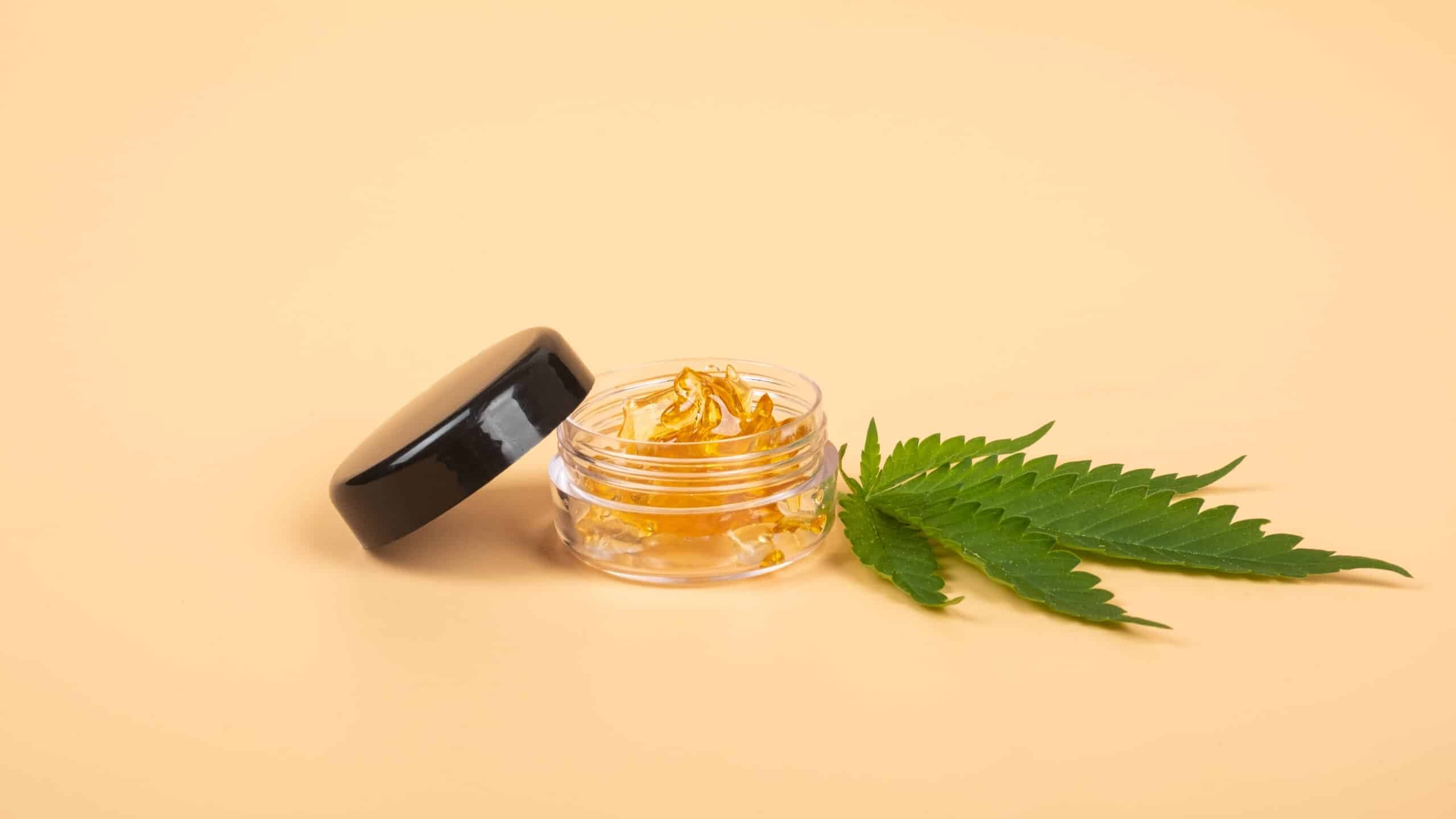
A live resin can be sold as sugar or badder. A rosin can be fresh press or cured into a badder-like consistency. In other words, texture and extraction method are separate details. A soft product is not automatically rosin, and a crystalline product is not automatically a particular quality tier.
For a concrete producer example, 710 Labs describes its rosin badder as pressed rosin that is subsequently cured into a more stable, opaque consistency. That is an explanation of a format, not a claim that every manufacturer uses identical processing or that this product is in stock at Capital Dank.
Compare the actual jar and intended use
- Product identity: resin, rosin, or a blend; live or cured input; producer and batch.
- Package weight: a 1-gram jar and a 7-gram jar need a price-per-gram comparison.
- Label information: THC, CBD, available terpene information, and ingredients.
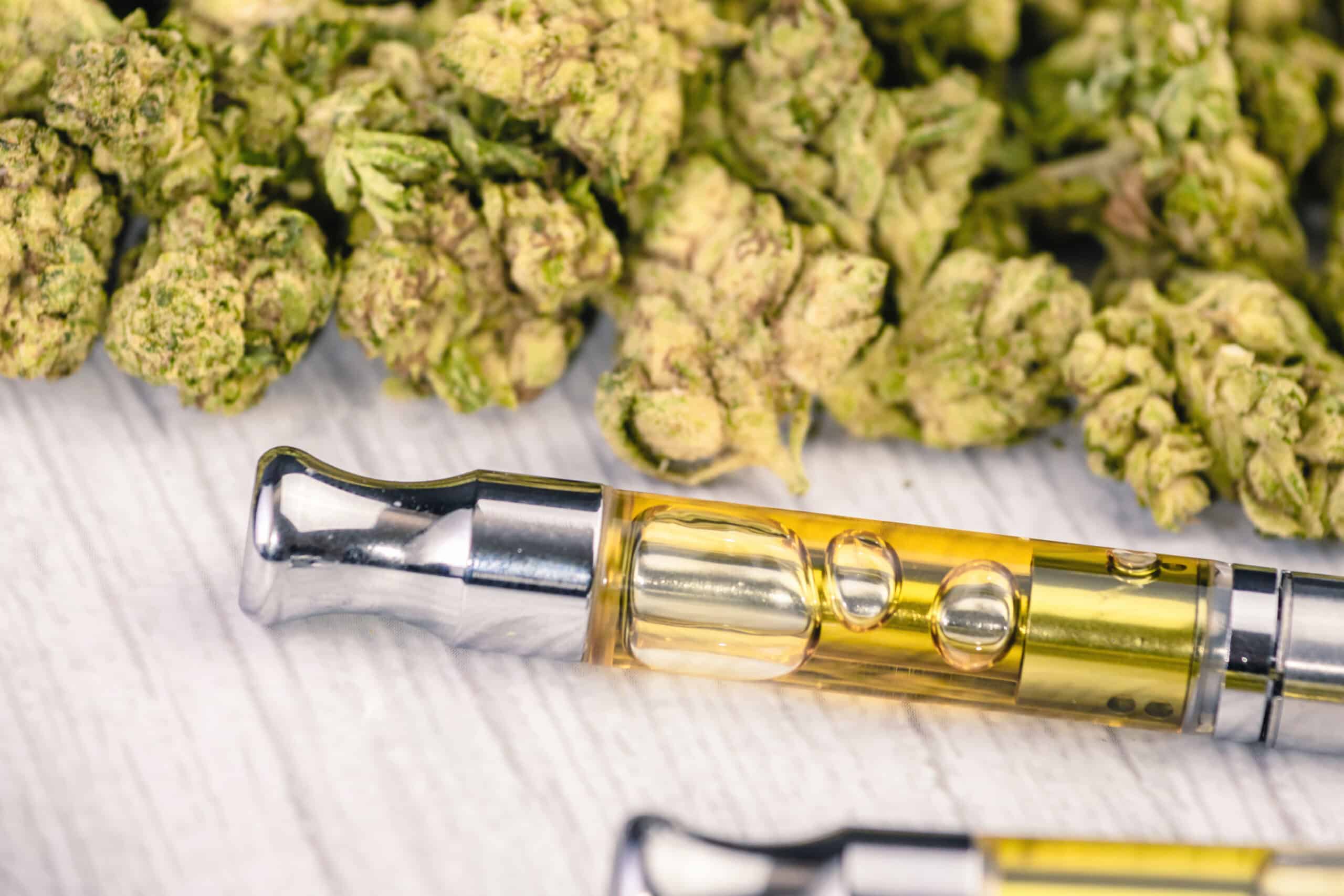
- Format: a jar for compatible concentrate equipment versus an oil formulated for a cartridge.
- Storage: the instructions for that exact product, especially refrigerated products.
For example, a hypothetical $30, 1-gram jar costs $30 per gram; a $100, 4-gram jar costs $25 per gram. That math compares quantity and price. It does not prove the larger jar has a better aroma, fits your device, or is a better choice for you. These are examples, not current menu prices.
Storage instructions can differ within one category
Do not apply a fresh-press storage rule to every badder or cartridge. 710 Labs' storage instructions, for instance, distinguish several concentrate formats and advise bringing cold jars to room temperature before opening to avoid moisture. Follow the instructions from the manufacturer of the item you buy, and keep the original label with it.
Use the names to narrow your Capital Dank search
Our Michigan deals can include live resin jars, live resin vapes, and live rosin. They are different shopping categories even when a promotion puts them on the same page. Use the Battle Creek deals page alongside the menu for your store; Oklahoma inventory and promotions can differ.
A useful counter question is: “Can you show me the extraction type, package weight, and storage instructions for these two items?” Then compare the label instead of buying on the word “live” alone. For equipment and texture details, continue with our concentrate formats guide.