Updated October 2, 2026.
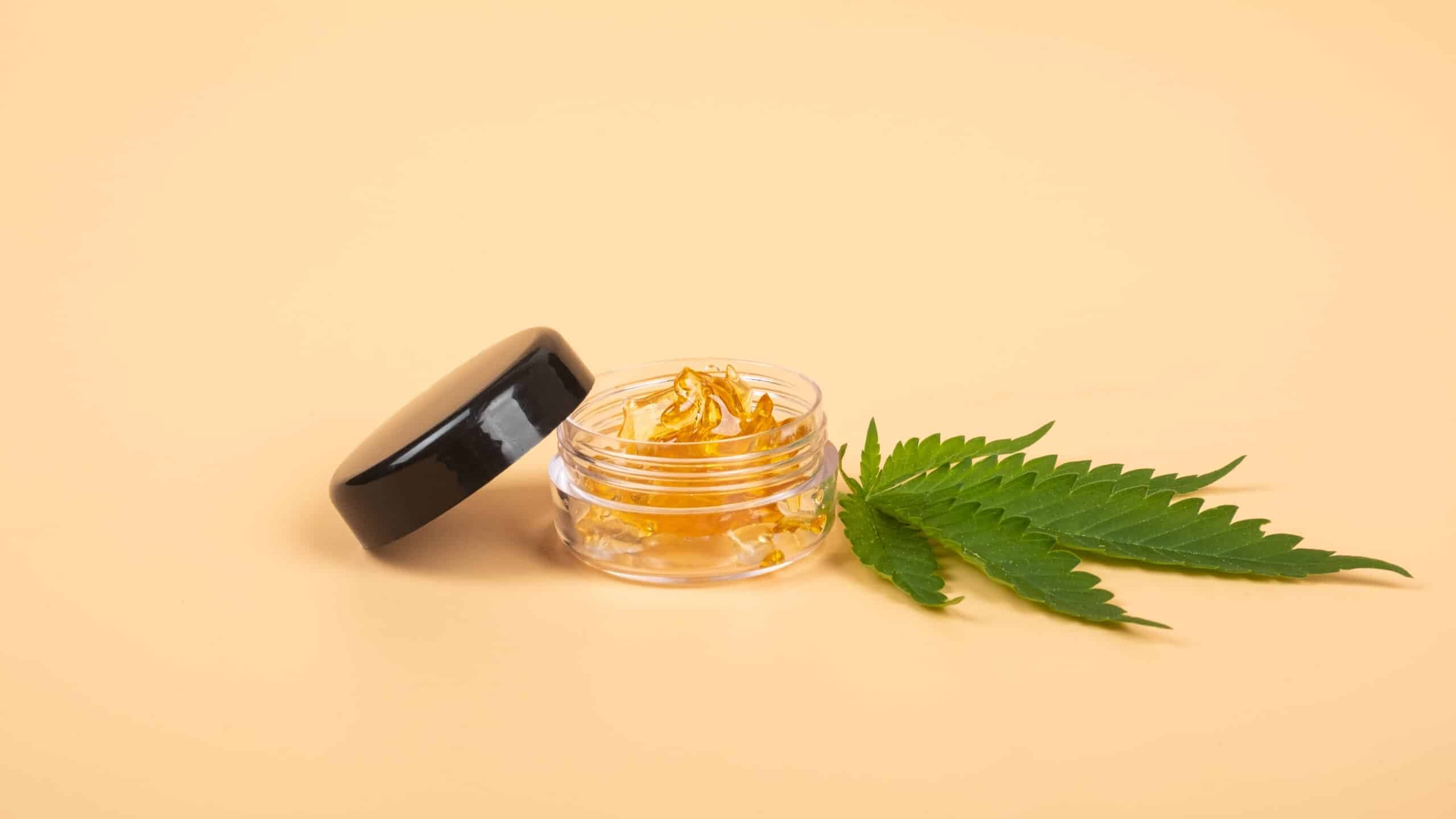
Concentrate shopping gets easier when you separate three details: how the product was made, how it feels in the jar, and what equipment it is intended for. “Live resin badder,” for example, gives you a starting-material and extraction clue plus a texture description. It does not tell you everything about potency, flavor, or device compatibility.
Capital Dank menus and deals can feature individual jars and larger packages. Before comparing price, make sure you are comparing the same kind of product and can store and use it as the manufacturer intends.
What the texture names mean
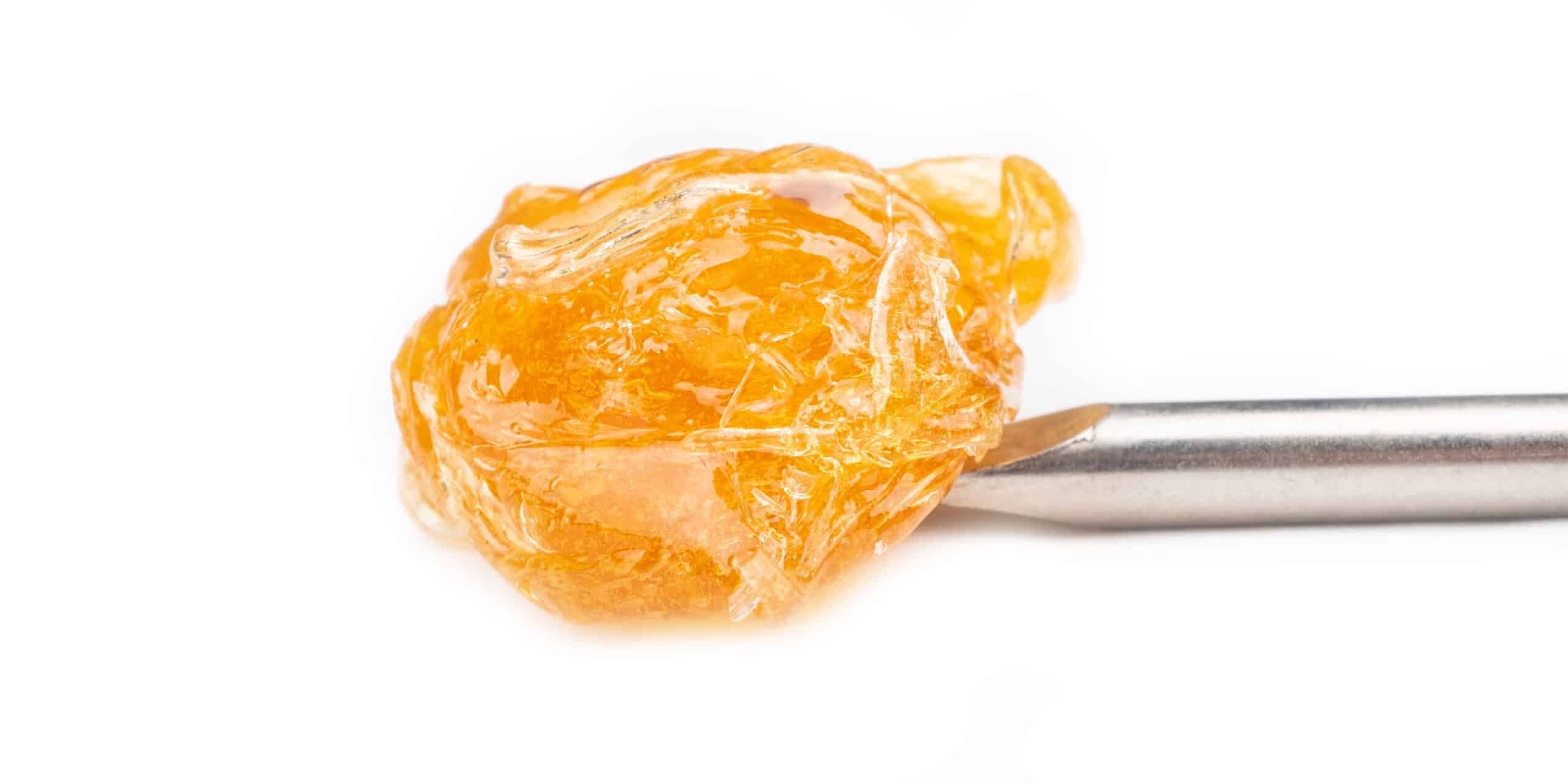
- Badder or budder: generally soft, whipped, or buttery in consistency.
- Sugar: a granular, crystalline-looking consistency, sometimes with a wetter surrounding portion.
- Shatter: typically a thin, brittle, glass-like extract.
- Sauce: a fluid portion that may be packaged with crystals.
- Rosin: an extraction category, not one fixed texture; it may appear as fresh press or a cured badder.
Puffco's concentrate overview explains several common consistency terms. Producers can use names differently, so confirm the actual item. A texture can affect how convenient a jar is to handle, but it is not a lab result or a quality grade.
Read the extraction name alongside the texture
A menu category such as “wax” may group products with different starting materials and processes. “Live” usually refers to fresh-frozen starting material. Resin commonly refers to solvent extraction, while rosin is pressed with heat and pressure. If a listing just says “concentrate,” ask what it actually contains.
Our cured resin, live resin, and live rosin guide goes deeper into those differences. For a specific example of process and texture working together, 710 Labs describes curing its pressed rosin into badder. Soft texture alone does not tell you whether a product is resin or rosin.
Match the finished product to the hardware
A traditional dab rig, an electronic rig, a concentrate pen, a dry-herb vaporizer, and a prefilled cartridge system are different tools. Check the exact device manual for supported materials, accessories, cleaning, and heat settings. Do not assume a device accepts a material because the product is described as “oil.”
Puffco specifically distinguishes dab-ready concentrates from oils formulated for cartridges and other uses. Its concentrate devices are intended for compatible dab-ready materials, not cartridge formulations or tinctures. That is a manufacturer-specific compatibility rule, and other devices need their own instructions too.
If you already own equipment, bring the brand and model name when shopping. “Will this jar work with this exact device?” is a more useful question than “Can you dab this?” Avoid opening a sealed cartridge to repurpose its contents.
Heat and maintenance are part of the purchase
Higher settings are not automatically better. A device's heat profile can change flavor, vapor output, and residue. Puffco's Peak instructions, for example, describe several settings and include chamber-cleaning directions. Their button sequences and cleaning procedures apply to that device; they are not a universal guide for every rig or pen.
Budget for the compatible hardware and its maintenance, not just the jar. Check which parts can be cleaned, which need replacing, and which liquids are permitted. Allow parts to cool and follow drying instructions before reassembly or heating. Hot components and batteries require care even when no torch is involved.
Compare jar weight without confusing it with potency
A hypothetical 1-gram jar priced at $20 costs $20 per gram. A 7-gram jar priced at $105 costs $15 per gram. That is a quantity comparison, not a statement that the jars are identical or that either price is on today's menu.
Package weight and cannabinoid concentration are separate. If a 1-gram product hypothetically lists 70% THC by weight, that corresponds to 700 milligrams in the whole gram—not a serving suggestion and not the amount delivered in any one use. Read the exact label terminology, especially when a report distinguishes THC, THCA, or total THC.
Concentrates can contain high THC levels. The CDC explains that concentrated products and different routes of use carry different risks. A flower routine does not establish an appropriate amount of concentrate, and a high percentage does not prove medical suitability.
Ask about storage before buying a larger package
Keep the original container and follow the producer's directions. Some concentrates require cold storage; others have different short-term instructions. 710 Labs' storage guide illustrates how instructions vary by format and advises warming cold, closed jars to room temperature before opening to avoid condensation. Follow your product's manufacturer rather than copying another brand's temperature schedule.
On your next Capital Dank visit, compare the current store menu and Oklahoma deals or Michigan deals, then ask about extraction type, texture, package size, device compatibility, and storage. Those answers help you decide whether a larger jar is actually convenient for you. Check your selected store's inventory; a deal shown for one location does not establish stock at another.